

Crypto Payments Now Power 1 in 5 Global Freelance Transactions — The Numbers Are Staggering
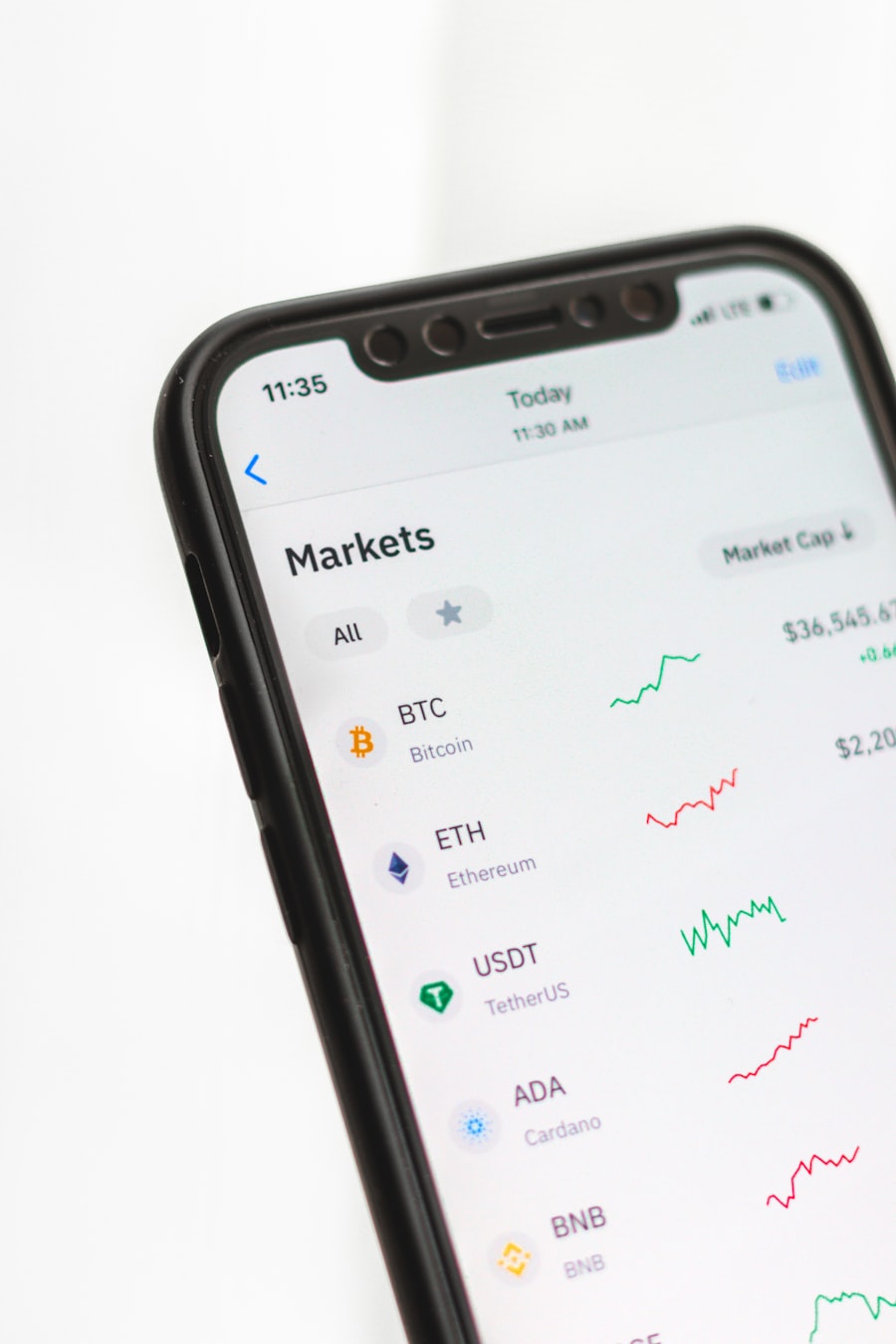
Something remarkable is happening in the world of online work, and most mainstream media outlets have barely noticed it. Quietly, steadily, and with gathering speed, cryptocurrency has become a standard payment method for millions of freelancers and online earners across the globe — and the numbers published in a sweeping new industry report for 2026 are genuinely extraordinary.
According to data compiled from major freelancing platforms including Upwork, Fiverr, Freelancer.com, and Toptal, combined with regional online income surveys conducted across 78 countries, approximately 21.4% of all global freelance payments in the first quarter of 2026 involved cryptocurrency in some form. That figure was just 6.2% in 2022. The rise is being driven almost entirely by one digital currency: USDT.
Why USDT Became the World's Freelancer Currency
The dominance of USDT — Tether's US Dollar-pegged stablecoin — in the freelance payment ecosystem isn't accidental. It solves a problem that has frustrated international online workers for over a decade: how do you receive payment quickly, cheaply, and in a stable currency when you're in one country and your client is in another?
Traditional bank wire transfers can take 3–7 business days and cost anywhere from $15 to $45 in fees. PayPal charges up to 5% in currency conversion. Western Union fees in developing countries can consume 8–10% of the transfer amount. USDT on the TRC20 network, by contrast, typically transfers anywhere in the world in under three minutes for a fee of less than $1.
"USDT didn't disrupt international payments. It solved a problem that banks had 20 years to fix and didn't bother."
"USDT didn't disrupt international payments," said one independent payments analyst quoted in the 2026 Global Freelance Economy Report. "It solved a problem that banks had 20 years to fix and simply didn't bother, because high fees were profitable for them."
The Freelancing Industry — By The Numbers
📊 Global Freelancing Report — 2026 Key Findings

The Countries Leading the Crypto Freelance Revolution
The story of crypto freelance payments is, at its heart, a story of economic geography. The countries where cryptocurrency adoption for income purposes is growing fastest are overwhelmingly those where traditional banking infrastructure is weakest, currency volatility is highest, or international payment friction is greatest.
Pakistan, Nigeria, the Philippines, Vietnam, and Bangladesh collectively account for over 38% of all crypto freelance payment volume globally, despite representing a much smaller share of the overall freelancing workforce by headcount. The reason is straightforward: for a developer in Lahore or a graphic designer in Lagos, receiving payment in USDT and converting locally is simply the fastest, cheapest, and most reliable option available.
| Country | Crypto Freelance Adoption | Preferred Crypto | Growth vs 2024 |
|---|---|---|---|
| 🇵🇰 Pakistan | 41% of freelancers | USDT | +67% |
| 🇳🇬 Nigeria | 55% of freelancers | USDT | +82% |
| 🇵🇭 Philippines | 38% of freelancers | USDT | +54% |
| 🇻🇳 Vietnam | 33% of freelancers | USDT | +49% |
| 🇧🇩 Bangladesh | 29% of freelancers | USDT | +71% |
| 🇧🇷 Brazil | 22% of freelancers | USDT / BTC | +38% |
What the Freelancing Boom Looks Like on the Ground
Before I started accepting USDT, I was losing almost 12% of every payment to bank fees, exchange rates, and delays. Last month I received $3,400 from three different clients across the US and Europe. Every payment arrived within minutes, and I converted what I needed to local currency through Binance P2P the same day. The rest I kept in USDT as savings — it holds its value unlike our local currency.
Stories like this one are not exceptional — they are the new normal for an entire generation of online workers in developing economies. And as crypto payment infrastructure matures, even freelancers in developed countries are increasingly preferring crypto for international client payments.
The Platforms Making It Happen
A growing number of freelancing platforms now offer native crypto payment options. Deel, the global hiring and payments platform, reported in its 2026 annual report that crypto withdrawals grew by 215% year-over-year. Upwork introduced direct USDT withdrawal in Q3 2025. And dozens of smaller niche platforms in design, development, and content creation now offer crypto as a standard option.
The Risk Side — What Regulators Are Watching
The explosive growth of crypto in the freelance ecosystem has not gone unnoticed by global regulators. Several major economies are in the process of developing frameworks to tax and monitor cryptocurrency income from freelancing. The EU's MiCA regulation, now fully enforced, requires platforms operating in Europe to report crypto payments above certain thresholds.
Experts advise freelancers earning in crypto to maintain clear records of all transactions, understand the tax obligations in their jurisdiction, and — most importantly — use reputable, licensed exchanges for conversion. The days when crypto income flew entirely under the regulatory radar are ending.

Despite the regulatory complexity ahead, the trajectory is clear. Cryptocurrency — and USDT in particular — has permanently entered the mainstream of global online earning. For the billions of people who work online, it has already proven to be not just an alternative to traditional payments, but in many cases a genuinely superior one.


0 Comments